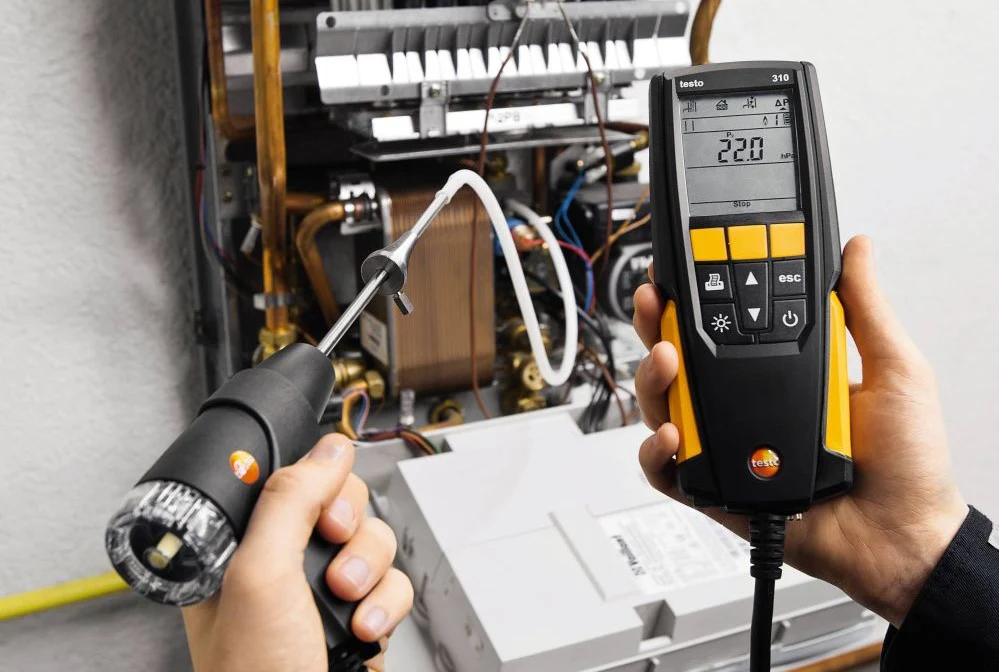
A gas analyzer is a critical tool used in various industries to measure the composition and concentration of gases in a given sample. Whether it be for environmental monitoring, safety inspections, or process control, gas analyzers provide accurate and real-time data that help ensure the quality and efficiency of operations.
With advancements in technology, gas analyzers have become more compact, portable, and user-friendly, making them accessible to a wider range of users. From industrial plants to research laboratories, gas analyzers play a vital role in ensuring compliance with regulations and optimizing performance. In this article, we will delve into the different types of gas analyzers available on the market, their applications, and the key factors to consider when selecting the right one for your specific needs.
Types of Gas Analyzers
Gas analyzers come in various types, each designed to measure specific gases or operate under specific conditions. One popular type is the 5 gas analyzer, which is commonly used in automotive diagnostics to measure exhaust emissions of CO, O2, HC, NOx, and CO2. These analyzers are crucial for monitoring vehicle emissions to ensure compliance with environmental regulations and improve air quality. Another common type is the infrared gas analyzer, which utilizes infrared radiation to detect and quantify gases such as carbon dioxide and methane. Each type of gas analyzer has its unique strengths and applications, catering to diverse industry needs.
While gas analyzers serve fundamental purposes across industries, advancements in technology have led to the development of versatile and multi-functional analyzers. The 5 gas analyzer, for example, combines the capabilities of measuring multiple gases simultaneously, making it efficient for comprehensive analysis in automotive settings. This advancement reflects the increasing demand for more sophisticated gas analyzers that can provide real-time data with precision and efficiency. Whether it’s for environmental monitoring, research applications, or industrial processes, selecting the right type of gas analyzer is essential to ensure accurate measurements and reliable results.
In conclusion, gas analyzers continue to be indispensable tools across a wide range of industries for monitoring, measuring, and controlling gases in various applications. As technology advances, these analyzers have become more advanced, user-friendly, and versatile, offering more precise measurements and real-time data. Whether it’s for environmental compliance, safety inspections, or process optimization, the importance of gas analyzers cannot be understated. Choosing the right type of gas analyzer for your specific needs is crucial in ensuring accurate results and efficient operations. As the industry continues to evolve, we can expect to see even more innovative solutions that further enhance the capabilities of gas analyzers in various sectors.
Leave a Reply