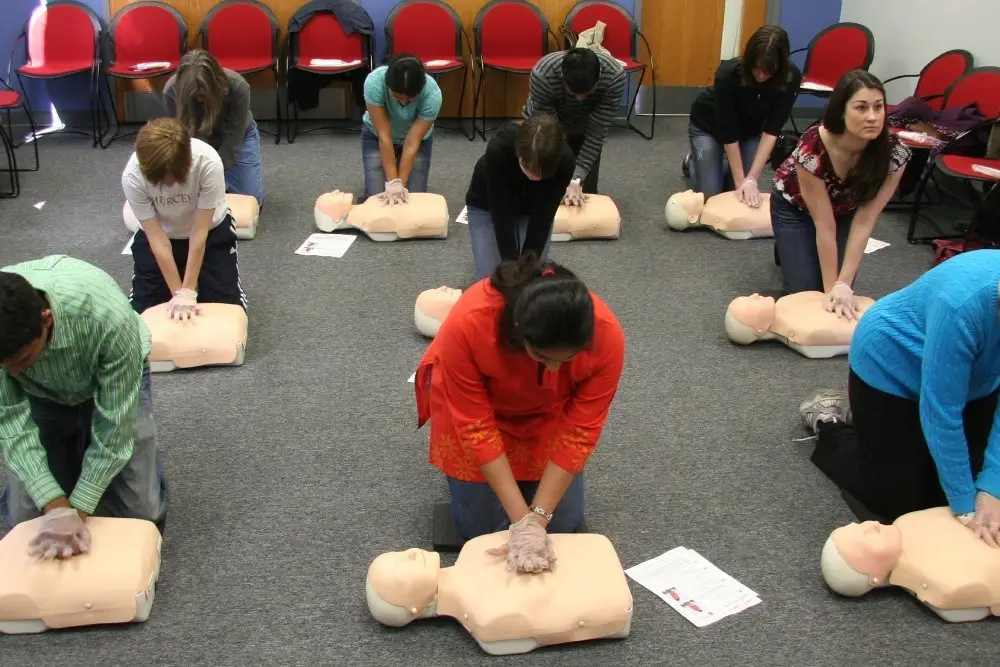
Cardiopulmonary resuscitation (CPR) is a critical lifesaving technique that can drastically improve the chances of survival during cardiac emergencies. With the increasing awareness of sudden cardiac arrests and the importance of immediate response, obtaining CPR certification training has never been more vital. This training equips individuals with the skills and knowledge needed to act swiftly and confidently in emergencies, potentially saving lives in those crucial moments before professional medical help arrives.
Whether you are a healthcare professional, a caregiver, or simply a concerned citizen, CPR certification can empower you to make a difference in emergency situations. The training not only covers the fundamental techniques of chest compressions and rescue breaths but also addresses the use of automated external defibrillators (AEDs) and the latest guidelines from recognized organizations. By participating in CPR certification training, you can join a community of informed responders ready to take action when it matters most.
The Importance of CPR Training
CPR training provides crucial life-saving skills that everyone should possess, regardless of their professional background. Understanding how to perform effective chest compressions and administer rescue breaths can mean the difference between life and death during a cardiac arrest. Additionally, certification courses incorporate training on using automated external defibrillators (AEDs), which can significantly enhance survival rates in emergencies. By exploring options for cpr certification training near me, individuals can ensure they have the latest techniques and knowledge to respond effectively when faced with an emergency.
Building Confidence in Emergency Situations
Completing CPR certification training not only equips you with valuable skills but also fosters confidence in your ability to act in high-pressure situations. The hands-on practice and simulations commonly used in training programs prepare participants for real-life scenarios, reducing anxiety and hesitation when action is needed. This readiness can lead to quicker, more effective interventions, ultimately increasing the chances of survival for those experiencing sudden cardiac events. Engaging in CPR training emphasizes the importance of community responsibility, encouraging others to also become informed and prepared responders.
In conclusion, CPR certification training is an invaluable resource that opens the door to life-saving possibilities for both individuals and the communities they inhabit. By mastering essential techniques such as chest compressions, rescue breaths, and the proper use of AEDs, trainees enhance their capacity to respond decisively in emergency situations. This training not only builds practical skills but also instills a sense of confidence and preparedness, empowering individuals to act without hesitation when someone’s life hangs in the balance. As we face the realities of cardiac emergencies, the importance of widespread CPR training cannot be overstated; it transforms ordinary citizens into capable responders, fostering a culture of safety and vigilance that can save lives.
Leave a Reply